






The Nxeon Blog
Guides for people who run their own servers.
Straight-talking tutorials and comparisons on VPS hosting, game servers, Linux and security. No fluff, just what actually works. 346 guides from the team that runs the servers.
Search results
16 guides for “fail2ban” · Clear search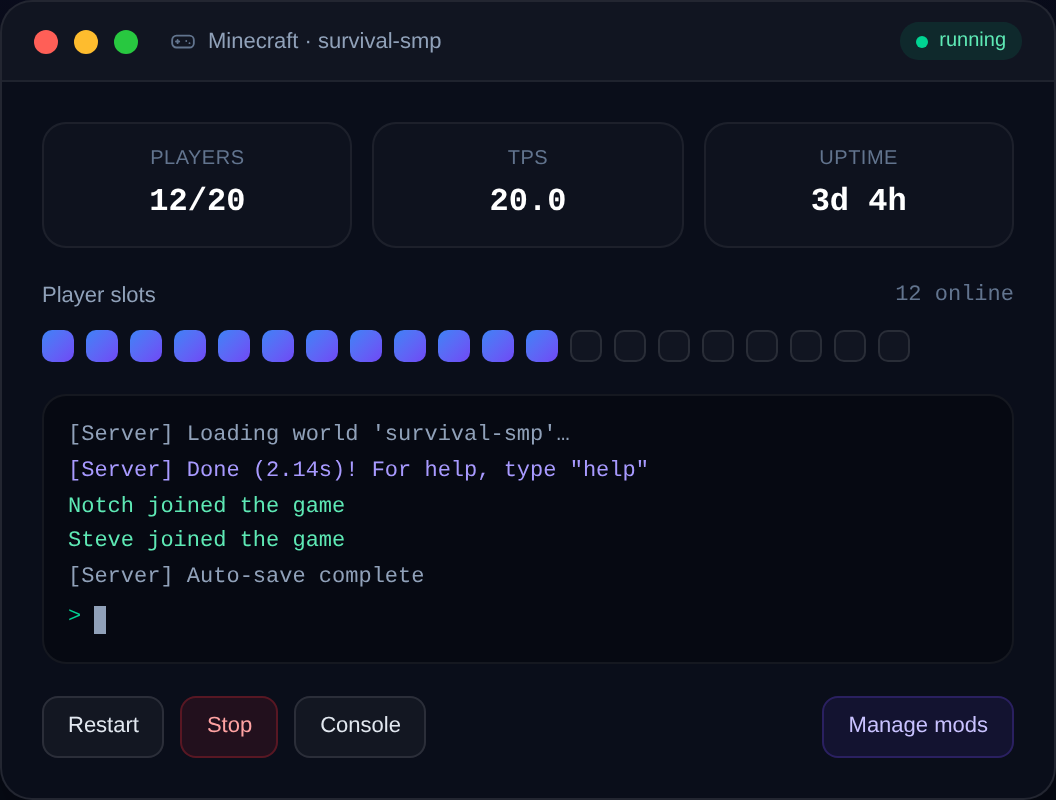
How to Set Up a Firewall for a Game Server
Game servers need specific ports open and everything else shut. Configure UFW to expose only your game's ports, protect RCON, and cut attack surface.
How to Secure a Self-Hosted WordPress Site
WordPress powers a huge share of the web, which makes it a huge target. Harden your self-hosted install at the server, app, and login layers.
How to Secure a MySQL Database
An exposed or default-configured database is a breach waiting to happen. Lock down MySQL/MariaDB: bind to localhost, strong users, least privilege and TLS.
DDoS Protection Basics for a VPS
What a DDoS attack actually is, what you can mitigate at the server level, and where you genuinely need upstream protection. A realistic primer.
How to Protect a VPS from Brute-Force Attacks
Bots relentlessly guess logins against every public server. Here's a layered playbook — keys, firewall, rate limits and bans — to make brute-forcing pointless.
How to Add Two-Factor Authentication to SSH
Add a time-based one-time code on top of your SSH key for defence in depth. Set up Google Authenticator PAM without locking yourself out.
How to Disable Root Login on a VPS
The root account is every attacker's first guess. Learn to create a sudo user and disable direct root login over SSH — safely, without locking yourself out.
How to Set Up a UFW Firewall on Ubuntu
UFW makes Linux firewalling approachable. Learn to allow only the ports you need, set default-deny, rate-limit SSH, and verify your rules.
How to Install and Configure fail2ban
fail2ban watches your logs and automatically bans IPs that fail to log in too many times. Here's how to install it and write custom jails.
How to Harden SSH on a Linux VPS
A practical, copy-paste guide to locking down the SSH daemon on your VPS — the single most important service to secure on a public server.
How to Self-Host Vaultwarden Behind an Nginx Reverse Proxy
Already run Nginx? Here's how to put Vaultwarden behind it properly — real config, Let's Encrypt TLS, WebSocket support and the security headers that matter.
How to Secure a WordPress Site on a VPS
Running WordPress on your own VPS means owning its security — which is a good thing. This practical checklist locks down the server, PHP and WordPress itself.
Deploy your first server in under a minute.
Creating an account is free and takes no card details. Every guide here runs on a Nxeon VPS or game server.